
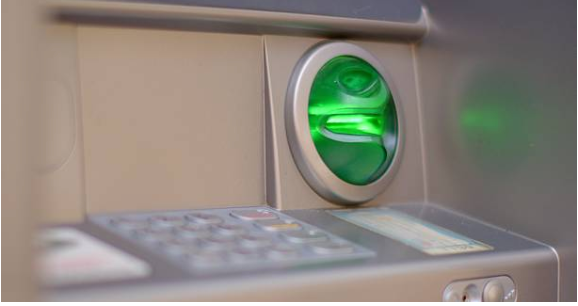


An ATM looks simple from the outside. A customer inserts a card, enters a PIN and takes cash. Behind the scenes, ATM transaction processing makes that moment possible. Owners who know the basics can pick better partners.
What Processing Does
Processing connects your ATM to the card networks and the customer’s bank. When a card is used, the request travels from the machine to a processor. The processor sends it to the right network. The network sends it to the bank that issued the card. The bank says yes or no. The answer comes back in seconds.
Why the Processor Matters
A good processor helps more transactions go through. It also keeps the machine connected and reports errors fast. Downtime means lost revenue and unhappy customers.
Settlement and Deposits
After cash is dispensed, the processor settles those funds back to the ATM owner’s bank account. Timing varies by provider. Ask when deposits arrive and whether weekends affect the schedule.
Reports and Monitoring
Modern processing includes online tools. Owners can watch transactions in real time, view revenue reports, forecast cash needs and review error summaries. These tools make it easier to keep the ATM running.
Questions to Ask
- Which networks does the processor connect to?
- When are funds deposited?
- Is support available every day?
- Who handles customer disputes?
- Are there contracts or added charges?
In Short
Your ATM is only as good as its processor. Ask questions. Read the terms. Check the reports. Pick a partner who answers fast. Then let the machine do its job.
The Bottom Line
Processing is the engine behind every ATM withdrawal. Choose a provider with strong uptime, clear reports and fast deposits. Companies like Atlantic Processing offer processing through major networks with next-business-day deposits and 7-day support.
*This article is general information, not financial or legal advice.*