
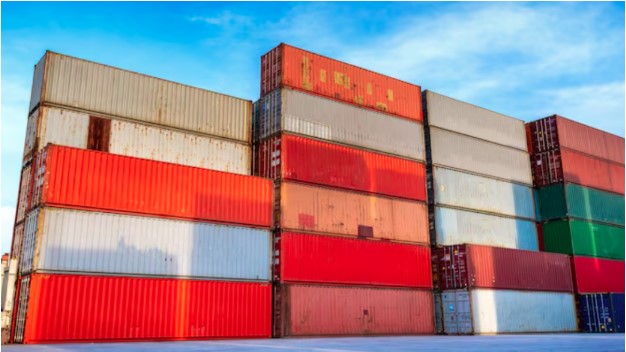


In the modern era of global commerce, the logistics chain serves as the backbone of international trade. One of the most critical decisions a business owner or logistics manager can make involves the equipment used to transport goods.
Selecting the right shipping containers is not merely a matter of convenience; it is a strategic choice that impacts the safety, cost-efficiency, and overall success of the supply chain. This article explores why precision in this selection process is vital for any enterprise.
Enhanced Protection and Cargo Security
The primary function of any transport unit is to safeguard its contents from external elements. When you choose the correct shipping containers, you ensure that the specific needs of your cargo are met.
For instance, fragile electronics require moisture-controlled environments, while heavy machinery requires reinforced flooring.
By matching the container specifications to the product, businesses significantly reduce the risk of physical damage, theft, and environmental degradation during long voyages across the sea or land.
Optimization of Transport Costs
Financial efficiency is a cornerstone of competitive business. Utilizing the right size and type of container prevents the wastage of paid space. If a company uses a container that is too large for its needs, it essentially pays to transport air.
Conversely, selecting specialized shipping containers, such as high cubes or open-tops, can allow for more goods to be packed in a single trip. This optimization directly lowers the freight cost per unit, contributing to healthier profit margins and more competitive market pricing.
Compliance with International Standards
The global shipping industry is governed by strict regulations regarding dimensions, weight limits, and structural integrity. Choosing high-quality, certified containers ensures that your shipments comply with international ISO standards.
This compliance facilitates smoother transitions at customs and ports of entry. Avoiding substandard equipment prevents costly delays, fines, or the rejection of cargo at international borders, ensuring that the supply chain remains fluid and predictable at all times.
Support for Specialized Cargo Needs
Not all goods are created equal, and some require specific conditions to maintain their value. Perishables, chemicals, and pharmaceuticals often necessitate refrigerated units, known as reefers.
By selecting the appropriate shipping containers equipped with advanced temperature control systems, businesses can guarantee the freshness and efficacy of their products upon arrival.
This level of specialization is essential for maintaining brand reputation and meeting the high expectations of consumers worldwide.
Long-Term Sustainability and Durability
Investing in the right quality of shipping equipment is also an environmental and long-term financial decision.
High-grade steel containers are resistant to corrosion and can withstand harsh maritime environments for decades. Choosing durable units reduces the need for frequent repairs or replacements.
Furthermore, many companies are now opting for eco-friendly container designs that offer better insulation, reducing the energy consumption required for climate-controlled shipments and supporting corporate sustainability goals.
Efficiency in Loading and Unloading
Operational speed is a major factor in logistics success. The right container type, such as side-door or double-door models, can drastically improve the speed of warehouse operations. These designs allow for easier access by forklifts and manual laborers, minimizing the time spent at the loading dock.
Faster turnaround times mean that vessels and trucks can be dispatched more quickly, enhancing the overall agility of the distribution network and ensuring that deadlines are consistently met.